The Boys Club years: foosball, kajukenbo, and the operator instincts I built before I could drive.
Boy of the Year, twice. California-ranked in foosball. Kajukenbo, woodshop, rock shop, ping pong, chess. The instincts I built at 10 turned out to be the same ones I needed in the chair.
People who meet me at HBS dinners or YPO panels usually want to know about the IPO. Or the cross-border deals. Or the AI strategy stuff.
What I usually want to talk about is the Boys Club.
I spent eight years there. Roughly age 6 to 14. Bay Area, after school, every weekday, all summer. It was the single most formative environment of my life — and it had nothing to do with anything that's on my résumé now.
What you actually do in 8 years at the Boys Club
You play. That's it. That's the whole curriculum.
But you play everything. Foosball. Ping pong. Chess. Pool. Kajukenbo (the Filipino-Hawaiian martial art that nobody outside of California has ever heard of). Woodshop. Rock shop — actual rock cutting and polishing. Sports. Whatever the volunteer adults knew how to teach, that's what you learned.
Nobody was tracking your "skill development." Nobody was building you into anything. You showed up. You picked something. You played until you got better, or you got bored, and then you picked something else.
I was Boy of the Year twice. California-ranked in foosball. State-level competitor. Won enough random tournaments that I stopped being able to remember which trophy was for what.
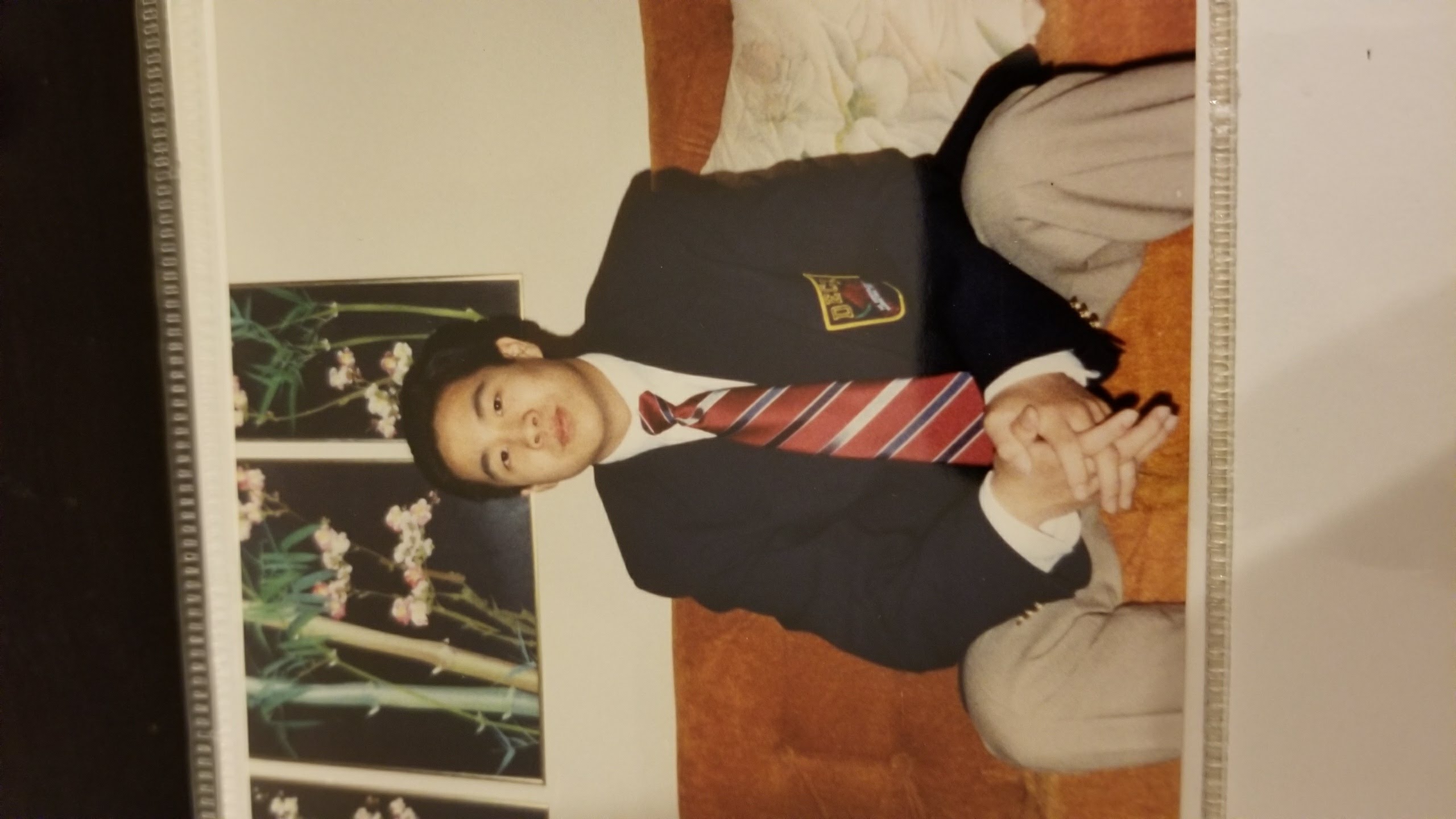
None of that mattered. The game-winning wasn't the point. The accumulation of trying things was the point.
Why the range matters
Here's what I didn't realize until I was 30 years into the operating chair:
Every operator skill I rely on now, I built at the Boys Club first.
Not "kind of." Literally.
- Pattern recognition under speed pressure. That's foosball. The ball moves at 35mph. You don't think — you read. The good players don't have faster hands. They have faster reads. Same skill that lets you read a P&L in 90 seconds and know which line is lying.
- Sequencing under uncertainty. That's chess. Every move opens three doors and closes two. The game isn't about the move you just made — it's about the position you're going to be in three moves from now. That's exactly what M&A integration planning is.
- Discipline under physical pain. That's kajukenbo. You get hit. You keep going. Or you don't, and you learn fast that not going is worse than getting hit. That's every public-company earnings call where the news isn't great and you have to walk to the podium anyway.
- Building physical things with your hands. That's woodshop and rock shop. There's a thing in your head. You make the thing in the world. The thing in the world is never quite the thing in your head — and you have to be honest about the gap. That's product. That's strategy. That's everything.
- Range itself. Just the willingness to keep picking new things up. To not specialize too early. To stay curious. The Boys Club rewarded range way more than it rewarded depth — and 30 years later, I still operate that way. Range compounds.
The thing parents miss about "extracurriculars"
I have friends now who are paying $40K/year to send their kids to STEM camps and elite club teams and whatever the new credential-laundry program is this year. I'm not against any of that.
But I notice almost none of them are doing what the Boys Club did for me. The Boys Club wasn't credentialed. It wasn't selective. It wasn't optimized for college admissions. It was just a room full of stuff to try, with adults who would teach you if you asked.
The kids I see growing up now are mostly going deep on one or two things, very early, very hard. They're better at those one or two things than I ever was at any of the Boys Club games. But they don't have the range. They've never had to be bad at six different things at the same time.
And being bad at six different things at the same time — and getting incrementally less bad at all six — turns out to be the actual operator skillset.
The honest summary
Most of what I'm hired for now — pattern reads, M&A judgment, executive composure under pressure, hands-on building when nobody else will — I learned at the Boys Club between ages 6 and 14. Everything since has been refinement.
Why I think about this every week
Two reasons. First, every founder I advise eventually asks me some version of the same question: "How do you stay calm when the call is hard?" The answer isn't a framework. The answer is that I've been losing and recovering at high frequency since I was eight years old. The hard call doesn't feel hard because the muscle memory is older than my career.
Second — and this is the more important one — I'm raising a kid now myself. And the question I keep asking is: am I building him a Boys Club, or am I building him a credential factory?
Most of my peers are building credential factories. I'm trying to build the other thing.
The instincts that compound over a 30-year career are the ones you build when nobody is watching, against no specific endpoint. The Boys Club was a room full of nothing-specific. It turned out to be everything.
If you're a founder reading this and you're feeling underqualified to make a particular call — pause and ask yourself where the equivalent of your Boys Club is. Where did you build the muscle that you actually need right now? It's almost always older than you think.
If you don't have one, that's a different conversation. The shortcut isn't a credential. The shortcut is putting yourself in a room with nothing-specific to do, and a few adults who'll teach you if you ask.